
Field-Ready Robotics Engineered for Agriculture
Probable Robotics is developing modular agricultural robotic systems designed to support daily farm operations through electrification, intelligent control, and field-focused engineering.
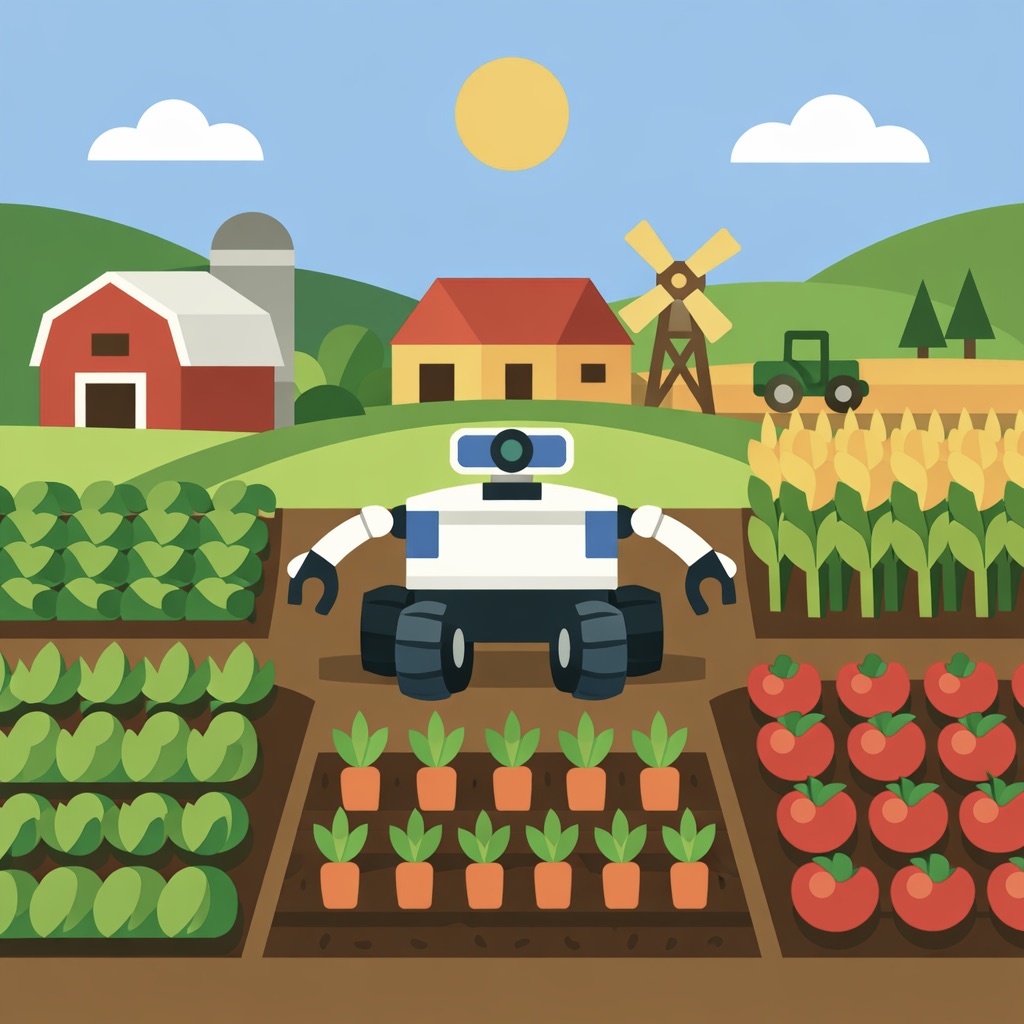
Redefining Agricultural Efficiency
The Problem
Agriculture still depends heavily on repetitive manual field tasks. Access to reliable labor is becoming more uncertain, while productivity gains remain uneven. Many mechanisation options rely on fossil-fuel-driven, single-purpose equipment that does not adapt well to evolving farm needs. Farmers require adaptable systems designed specifically for real field environments.
- Declining availability of skilled field labour
- Single purpose, fossil-fuel-driven equipment
- Limited adaptability to plantation geometry.
The Solution
Probable Robotics is developing modular agricultural robotic systems that combine electrification, intelligent control, and adaptable tooling into a unified field robotics platform. Our objective is to build scalable systems that evolve with agricultural requirements rather than isolated machines built for single operations.
- Electric modular architecture
- Intelligent autonomous control
- Field-tested for tropical climates
How We Intend To Do This
We are engineering a platform-oriented robotics foundation capable of supporting multiple field workflows. Development progresses incrementally, integrating mechanical validation, structured testing, and progressive autonomy. The platform is currently in the research and prototyping phase.
Mechanical Validation
Ensuring the structural integrity of our robotic chassis. We focus on durability in extreme mud, heat, and moisture conditions typical of Indian farmlands.
Structured Testing
Validation in controlled farm environments. Implementing sensor fusion and basic pathing to ensure safety and precision in every movement.
Progressive Autonomy
The platform advances from assisted operation to structured autonomy, integrating perception and navigation in stages to ensure safe, reliable deployment in real farm environments.